
Imagine Science
with Christine Eng
ABOUT THE AUTHOR
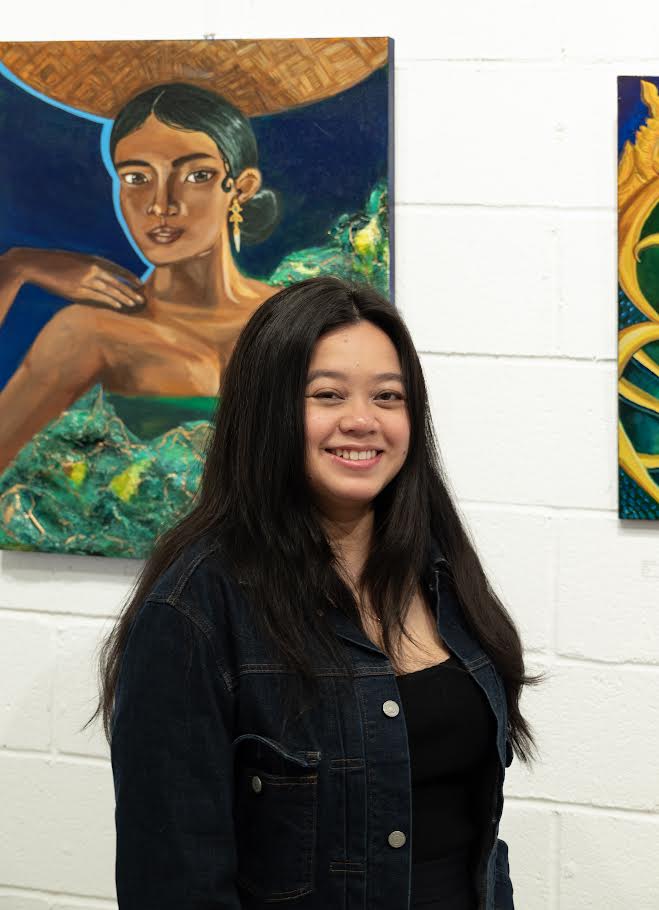
Christine Eng is a New York City-based artist whose work is deeply influenced by her Cambodian heritage and the resilience of her family. Being parented by survivors not only affects how she works, but it also affects how she thinks and how she illustrates her vision and ideas. Her body of work reflects her desire to create purposeful and meaningful artwork. Eng’s art results in a style that feels experimental. In her body of work, Eng explores a range of techniques, including sculpting, drawing, painting, and printmaking, often with a touch of dark whimsy inspired by animated films.
1. Octopuses have blue blood.
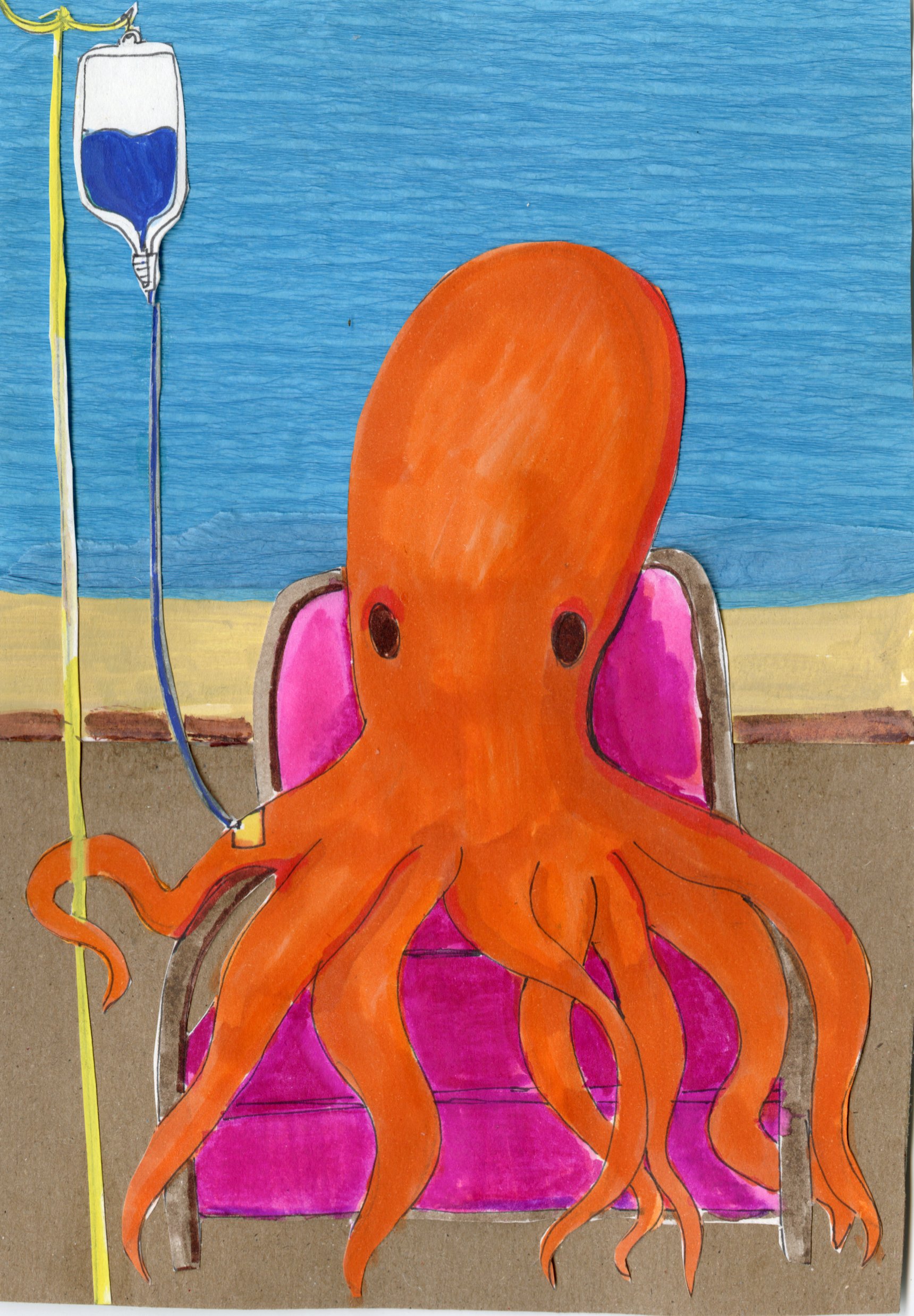
Check up | Christine Eng
Octopuses have blue blood, because their oxygen-carrying protein, hemocyanin, contains copper instead of iron. When hemocyanin binds to oxygen, it gives the blood a bluish color. In humans, oxygen is carried by hemoglobin, an iron-based protein that makes oxygen-rich blood red.
2. Watermelon is a berry, but strawberry is not.
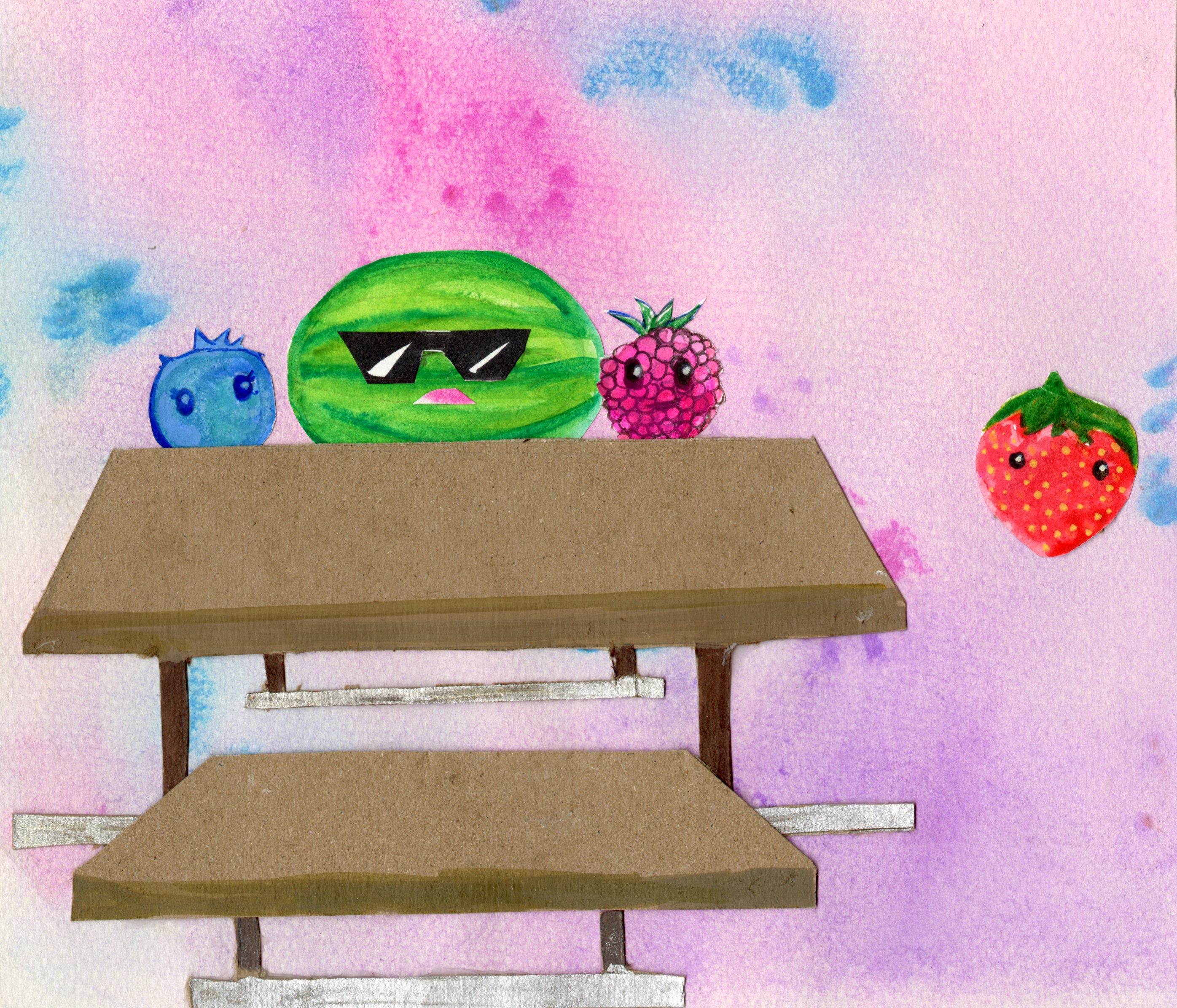
You Can't Sit With Us | Christine Eng
Botanically, a berry develops from a single flower with one ovary and usually has seeds embedded in the fleshy part of the fruit. Watermelon qualifies as a special type of berry called a pepo, with a thick rind and many seeds. Bananas are also considered berries. Strawberries, however, develop from a flower with many separate ovaries, and their “seeds” are actually tiny individual fruits on the outside.
3. You weigh slightly less at the equator than at the poles.
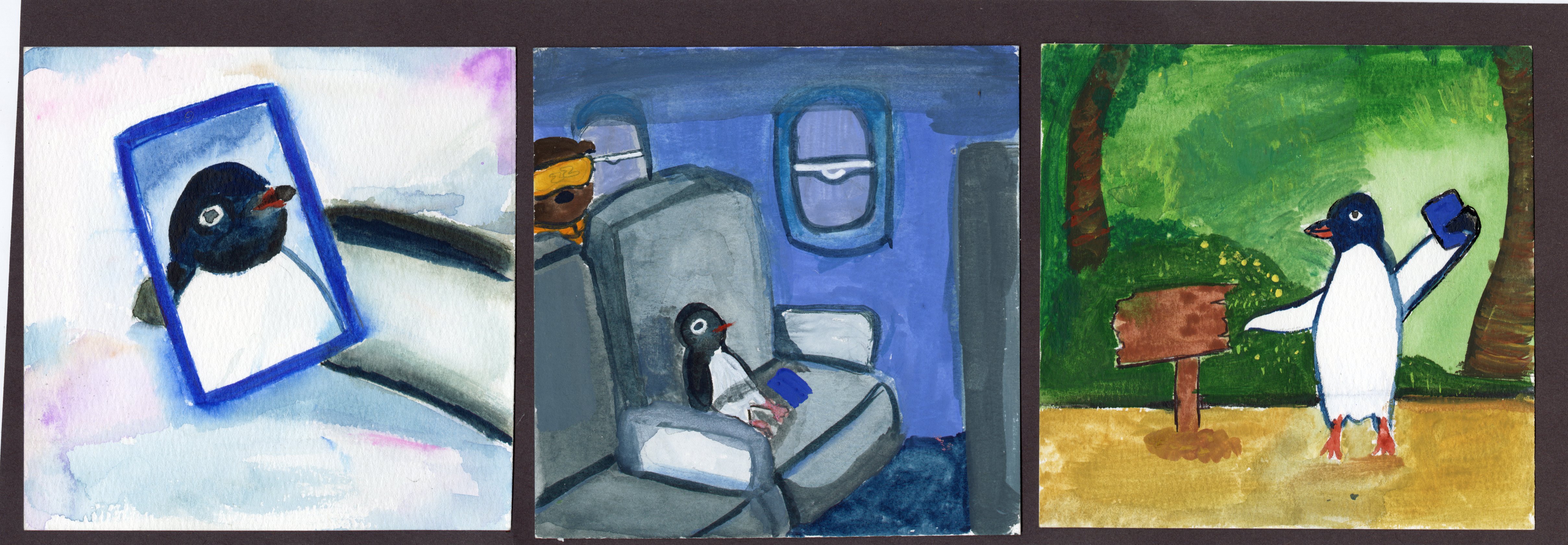
Selfie | Christine Eng
This happens for two reasons: Earth’s rotation creates a small outward centrifugal effect, strongest at the equator, and Earth’s equatorial bulge places you slightly farther from the planet’s center. Both effects make the effective pull of gravity a little weaker at the equator than at the poles.
4. Octopuses have three hearts.
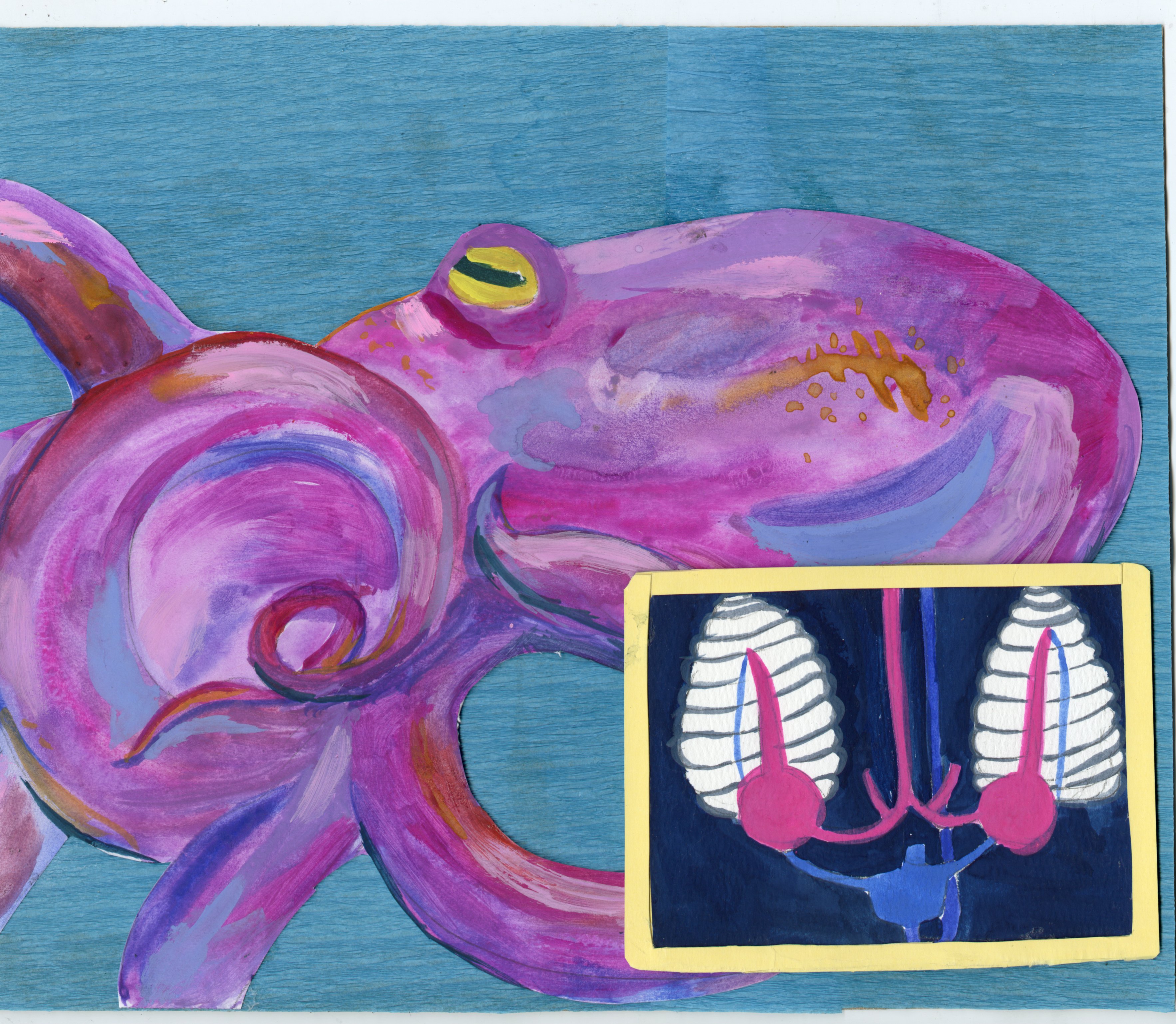
Three Hearts in One | Christine Eng
Two of the hearts pump blood to the gills, where it picks up oxygen. The third heart pumps oxygen-rich blood to the rest of the body. Interestingly, the main heart slows down or even stops when the octopus swims, which is one reason octopuses often prefer crawling to swimming.
5. Trees can “talk” to each other.
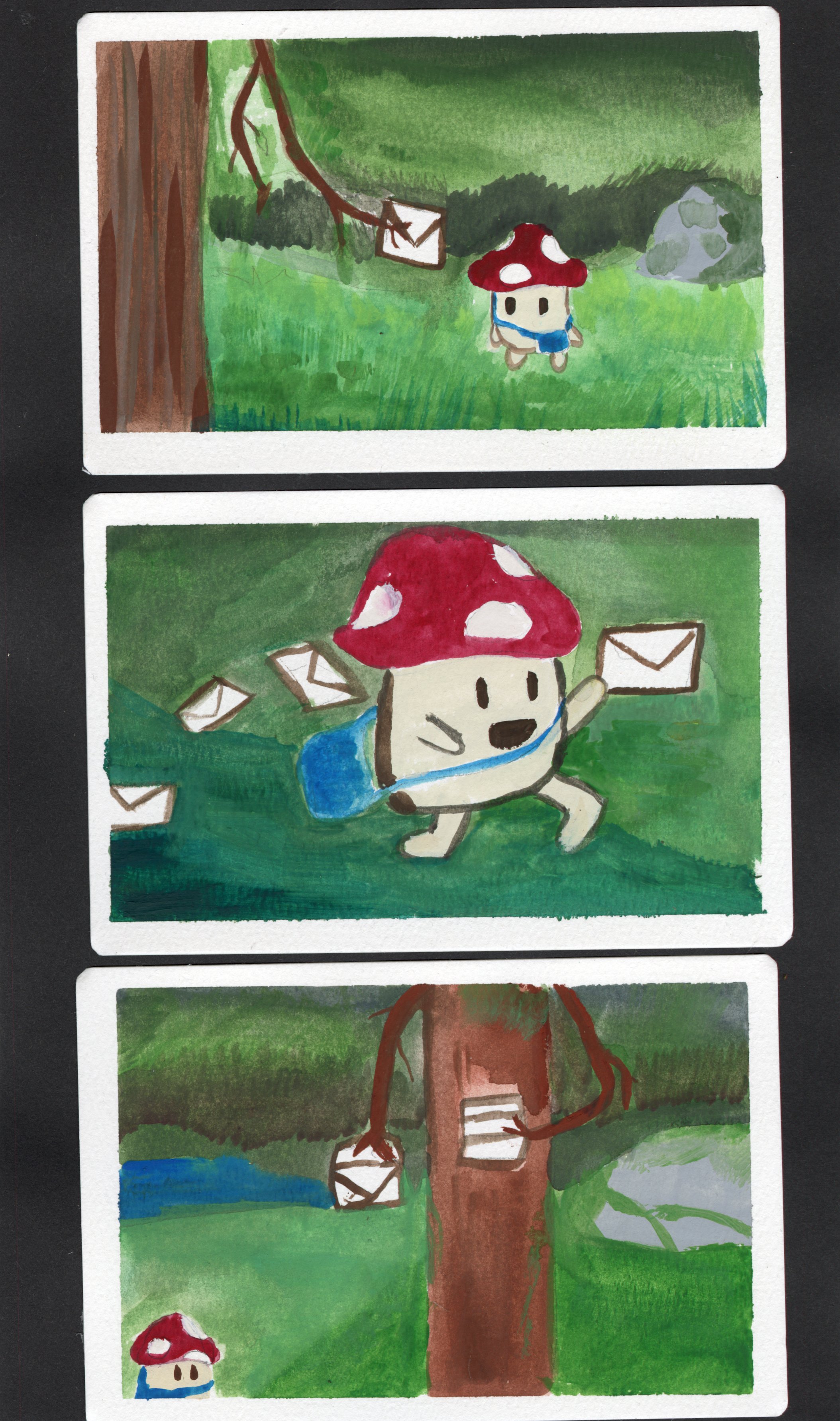
Mushroom Messenger | Christine Eng
Through underground fungal networks called mycorrhizae, trees can exchange nutrients and chemical signals. These networks may help trees respond to stress, including drought, pests, and disease. While trees do not “talk” like animals do, they are connected in surprisingly complex ways beneath the forest floor.
Follow Christine Eng on Instagram: @ThineSprout. For inquiries, contact her at ThineSprout@gmail.com.