by Rebecca Elbogen, Jay Kim, and Adam Lafortune
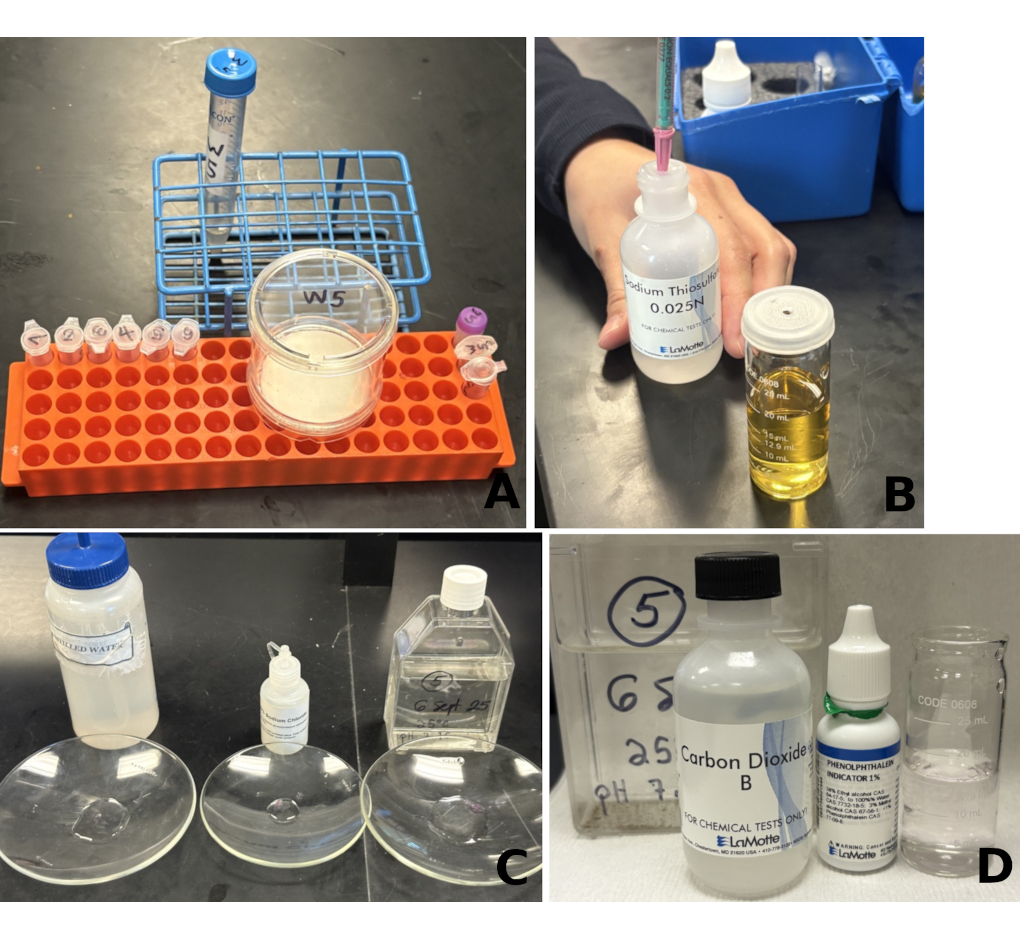
With this pun-like title, this article takes us to the microscopic world of the water and shore sediments of the Little Neck Bay estuary, located in the border between Queens and Nassau Counties, New York. The authors discuss the differences in abundance of species of Bacteria, Archaea and eukaryotic microorganisms under the context of variations in several characteristics of the environment, such as the concentration of carbon dioxide, oxygen, and salinity. Their results show that these three domains of life are more or less abundant in each of the different habitats.
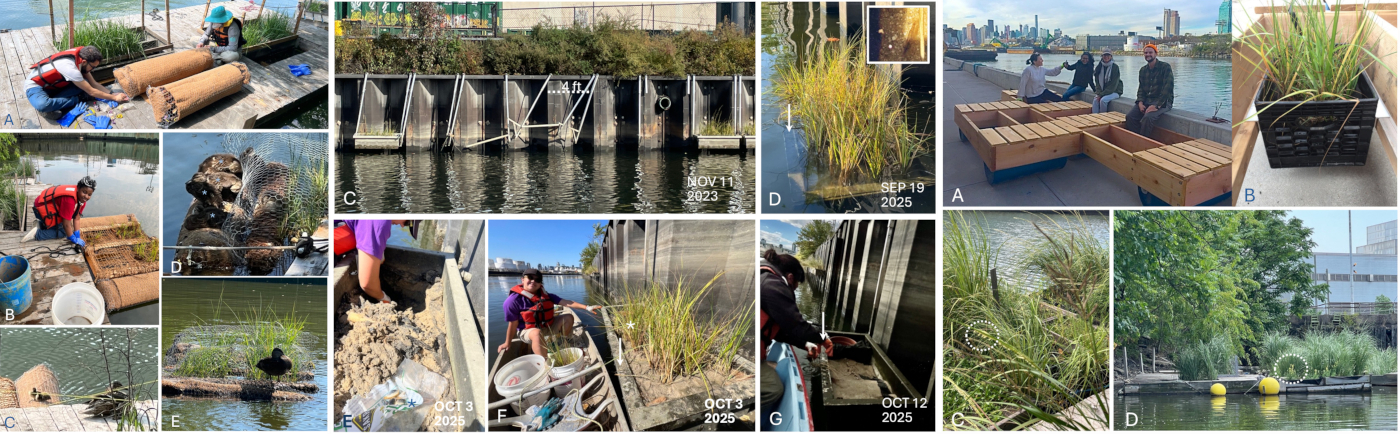
Professor Sarah Durand offers a glimpse into the rich flora and fauna that thrived in the waterways and marshes, including Newtown Creek, during pre-colonial times near what is now LaGuardia College. We learn how the natural estuary, sustained for thousands of years by the Lenape culture of environmental stewardship, was destroyed by a European capitalist culture that prioritized resource exploitation and profit over conservation.
Despite the shoreline now hardened by steel and concrete, a key original species survives: the ribbed mussel. This mussel, along with cordgrass, is a "foundation species" essential to the salt marsh and is key to restoring some of the Creek's lost habitat. Professor Durand highlights how the Newtown Creek Alliance and LaGuardia students built floating marsh habitats, where these species can thrive. This success offers hope and shows the power of community action.
Cover Image Credit: Willis Elkins and Sarad Durand.
Climate change has affected humankind in a myriad of ways. It is a real and current threat that will only get worse if the world does not act in a collective and proactive fashion. In this article, Dr. Anja Vojvodic presents her view of climate change and its many ramifications, from the physical to the political. She urges everyone to take this pressing global issue seriously and do what they can to help the cause of combating climate change before it is too late.
by Caitlin Lynch (Environmental Science major). The work was done as part of the CRSP program at LaGuardia Community College/CUNY, under the supervision of Dr. Lucia Fuentes.
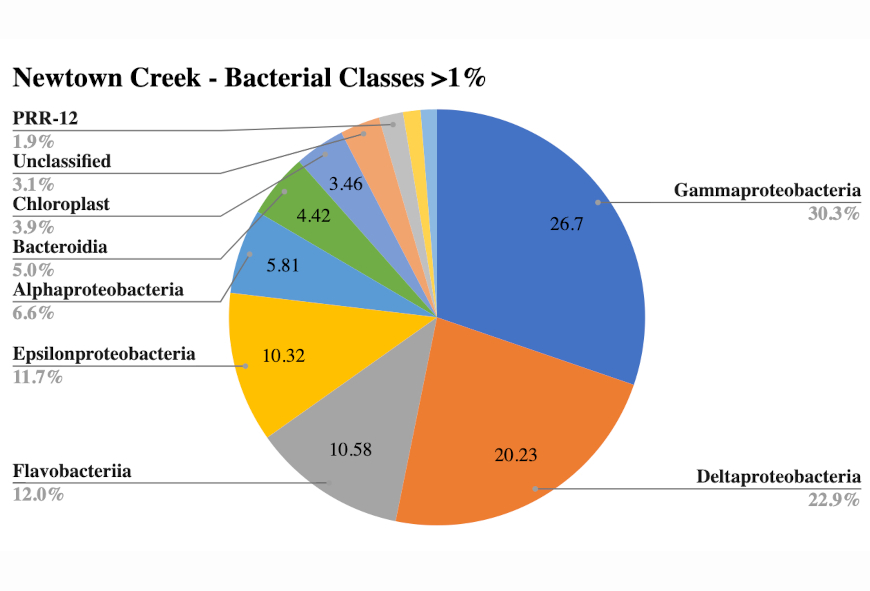
Caitlin explores the microbial diversity within the estuarine sediments of New York’s East River, comparing three different restoration sites: Hunters Point Park, Bushwick Inlet Park, and Newtown Creek.

In this research, LaGuardia student Sara El Houzaly and Dr. Richa Gupta unveil the profound health implications of our warming planet. Their research uncovers how climatic shifts intensify respiratory, waterborne, and vector-borne diseases, and exacerbate cardiovascular conditions and allergies. The authors make a compelling case for urgent mapping of emerging health risks and strategic public health planning to tackle the looming health crises instigated by climate change.
Cover Image: Designed by Freepik