by Christine Eng
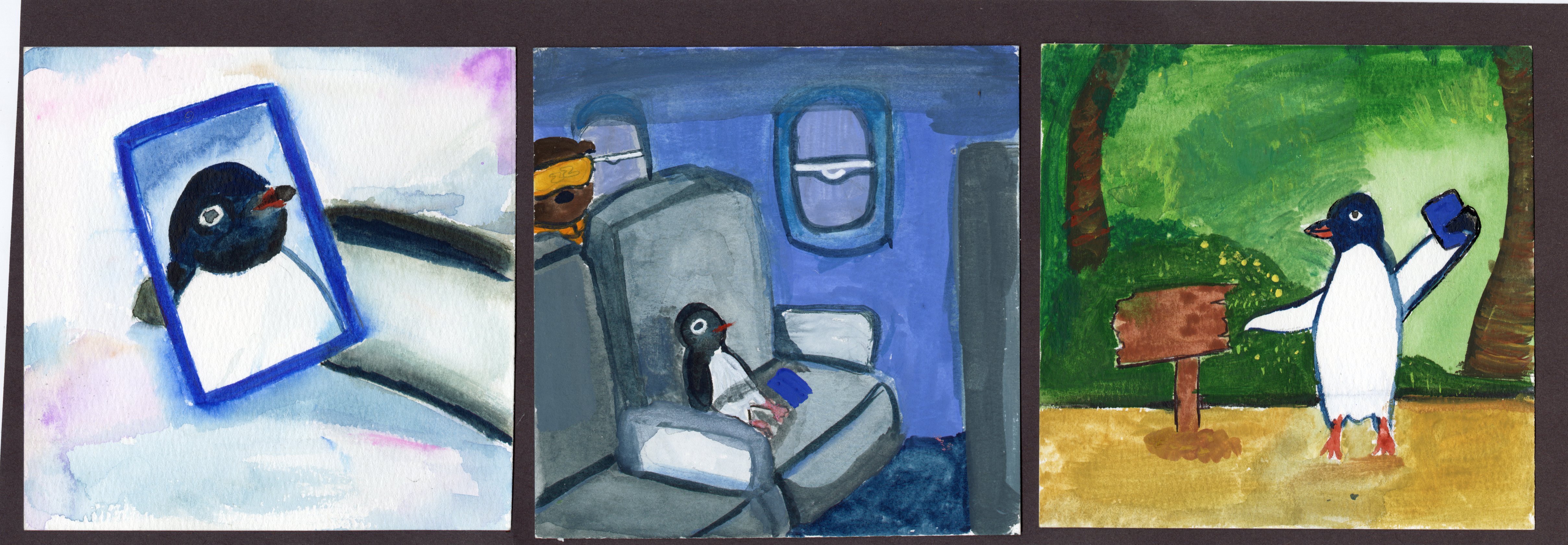
Since the early art in caverns done by pre-historic humans to the paintings and drawings of Leonardo da Vinci, art and science naturally overlap. Both require ideas, hypotheses, methods, inspiration, passion, and tools, such our own hands to either hold a pipette or a brush. In this series of drawings, Christine Eng takes us on a scientific journey from octopuses to trees and fungi while exploring the physical conundrum of the variation in our own weight at the equator versus at the poles. With beautiful illustrations and short scientific explanations, Christine’s drawings will allow you to always remember these scientific facts.
Cover Image: Selifie | Christine Eng
by Lianne Florez
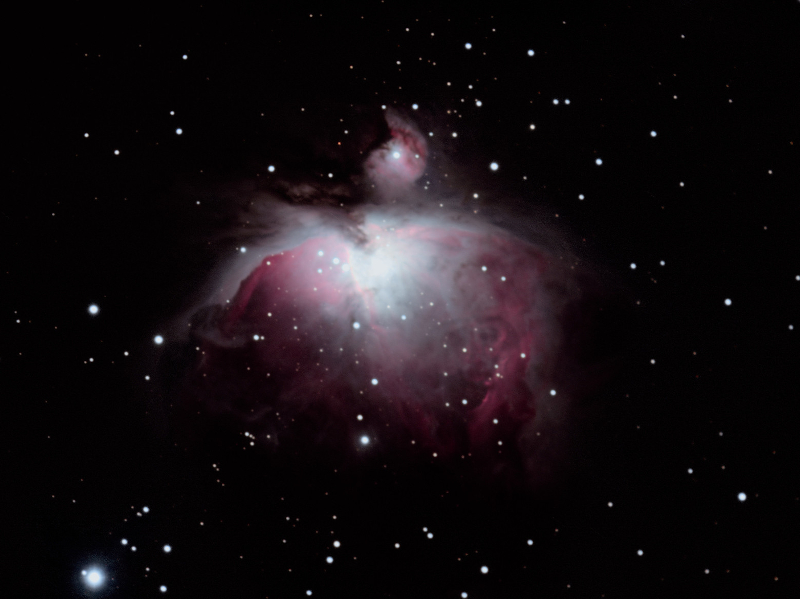
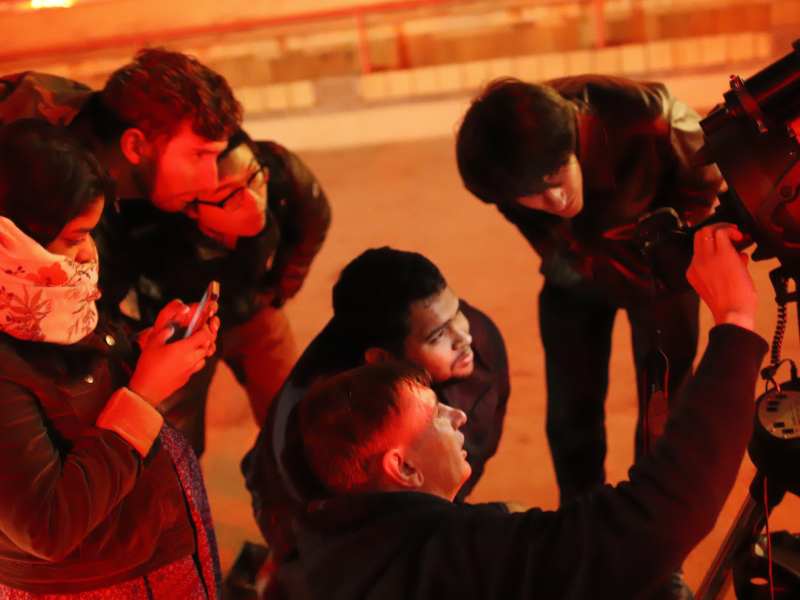
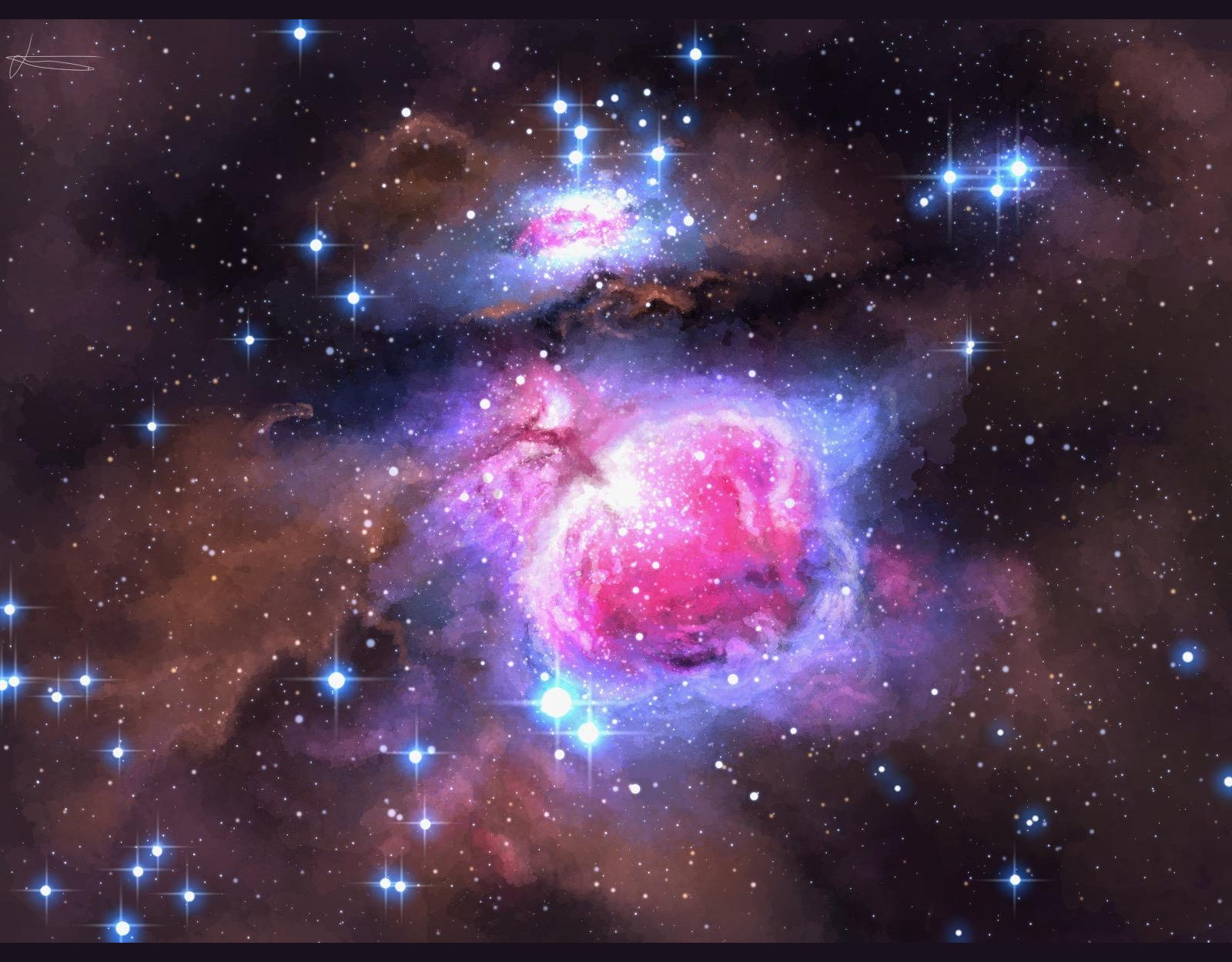
Lianne Florez reflects on the childhood fascinations that shaped her path toward astronomy, engineering, and art. From watching a lunar eclipse as a young girl to learning constellations, sharing astrophotography, leading an astronomy club, and joining a robotics team, Florez describes how curiosity helped her push through academic doubts and homesickness. Her story shows how science and creativity can grow together, turning a love of the night sky into a vision for the future.
Cover Image: Orion Nebula by Lianne Florez.
by Boris Zakharov
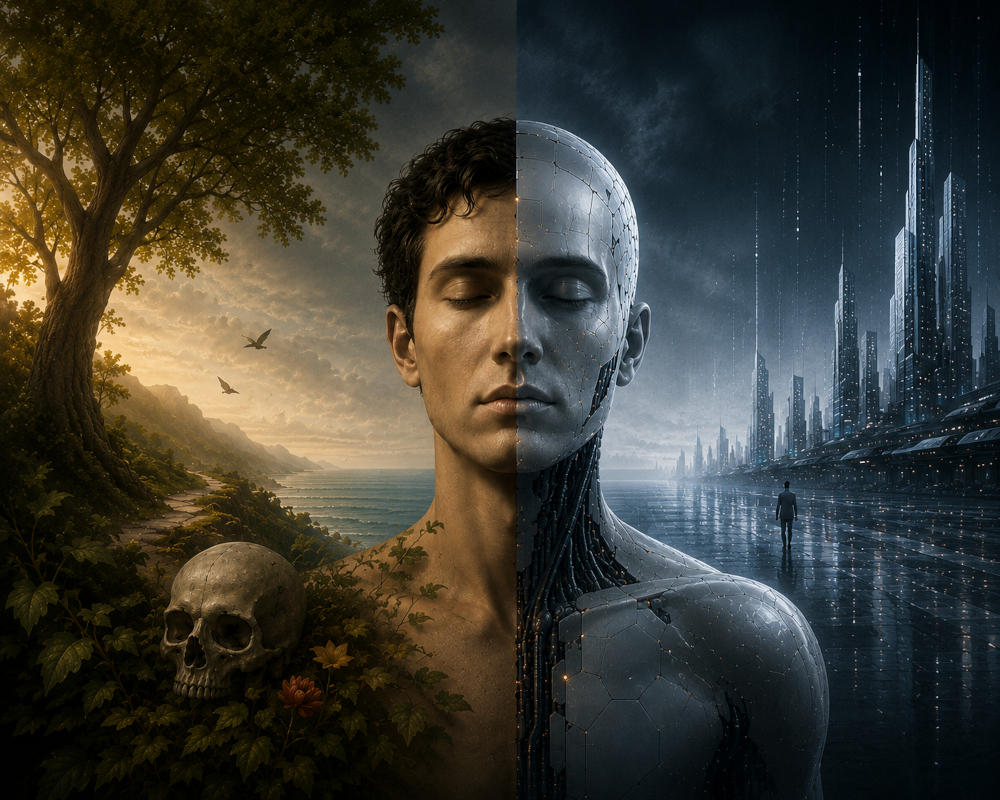
Modern advances in medicine and technology have revived ancient dreams of physical immortality. In his article, Dr. Boris Zakharov argues that death is an essential part of life and that immortality contradicts the fundamental principles of biological existence. A transformed, posthuman organism would lose its human biological nature and, with it, the basis for human social relations. We may naturally seek longer and healthier lives, but true immortality may be unattainable – and if it ever becomes real, it may mark the end of humanity.
by Rebecca Elbogen, Jay Kim, and Adam Lafortune
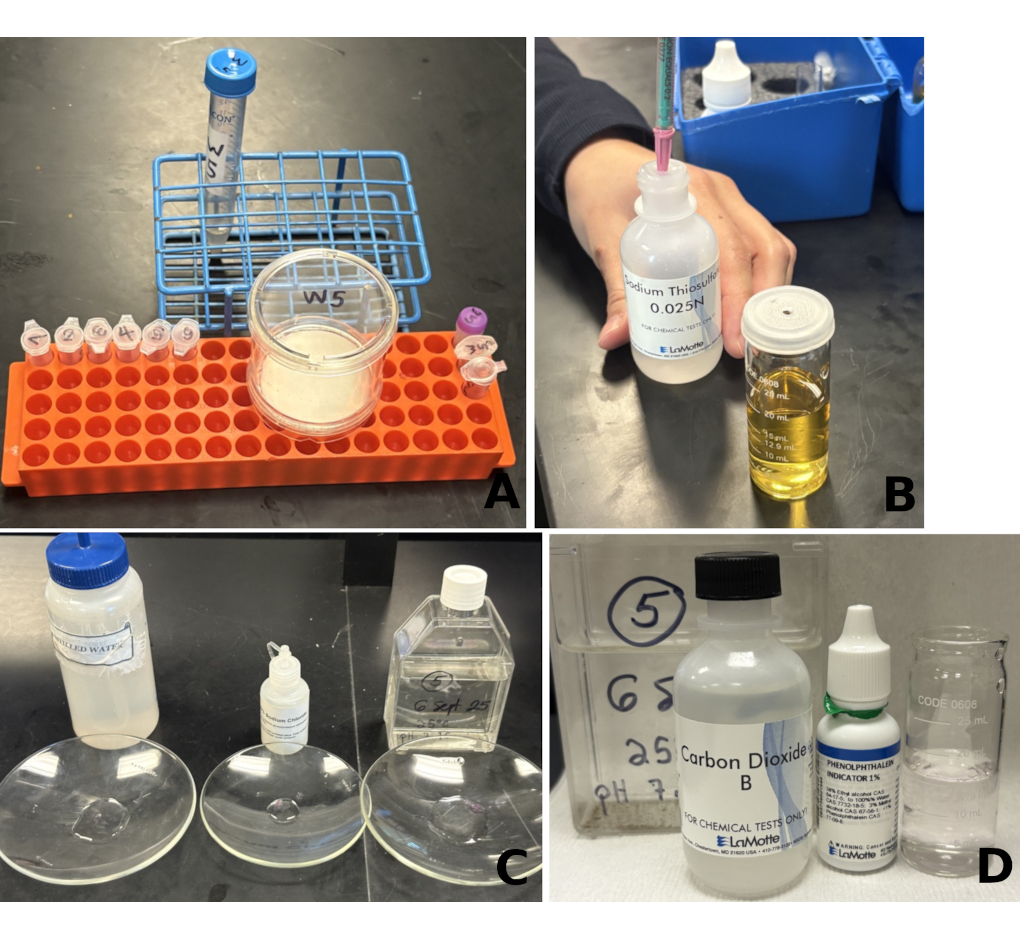
With this pun-like title, this article takes us to the microscopic world of the water and shore sediments of the Little Neck Bay estuary, located in the border between Queens and Nassau Counties, New York. The authors discuss the differences in abundance of species of Bacteria, Archaea and eukaryotic microorganisms under the context of variations in several characteristics of the environment, such as the concentration of carbon dioxide, oxygen, and salinity. Their results show that these three domains of life are more or less abundant in each of the different habitats.
by Helmut Eppich
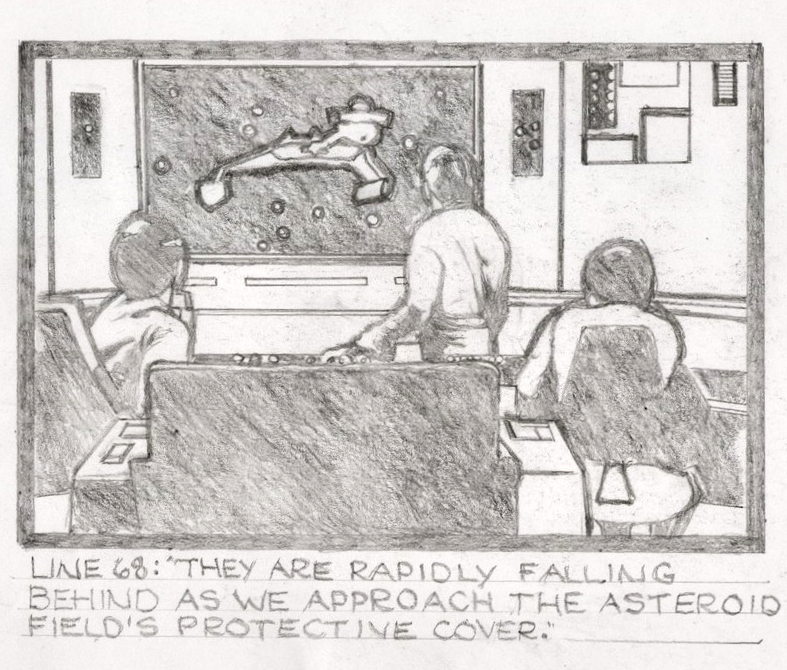
In part IV of The Reunion of Old Friends, Helmut Eppich continues the saga of the clash between ruthless Klingons and the crew of the Enterprise spearheaded by Captain Kirk and his closest officers. Meanwhile, in the Paradise Pharmaceuticals Medical Nightingale complex, the professors are getting closer to recovering the precious algae that can regenerate depleted and dying ecosystems. They need to get it before the Klingons arrive! Time is running out!
Cover Image: Drawings by Helmut Eppich.

by Sumanth Inukonda
In this article, Dr. Sumanth Inukonda examines far-reaching changes underway in US immigration policy and decodes its impact on students and foreign workers. Based on recent immigration data, the article surmises that legal pathways for aspiring students, researchers, and workers to enter the US are shrinking. Focusing on Indian students and skilled workers, it explores the degradation of the Indian American dream that many had aspired to over the past few decades. Cutting down on immigration is a global trend as many developed countries seek to review the processes of globalization. Universities will need to re-evaluate their strategies for greater knowledge sharing across borders.
by Zane Avan
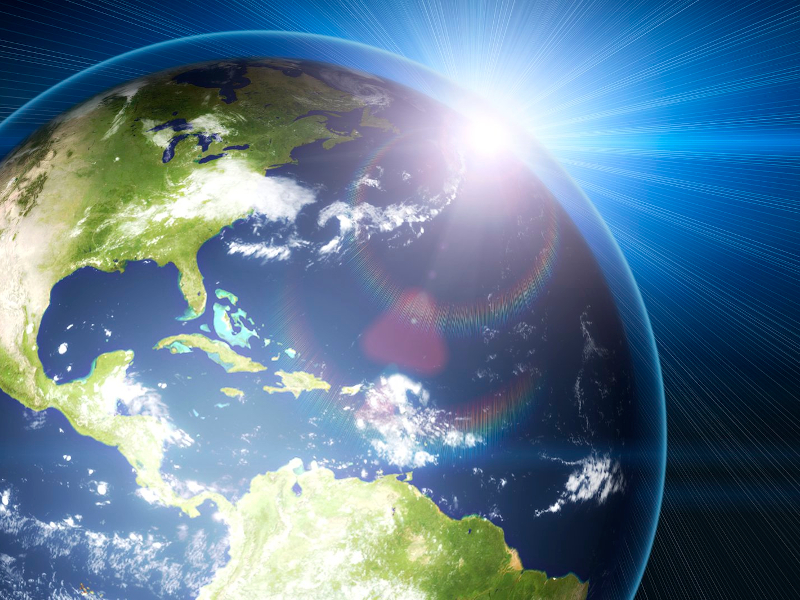
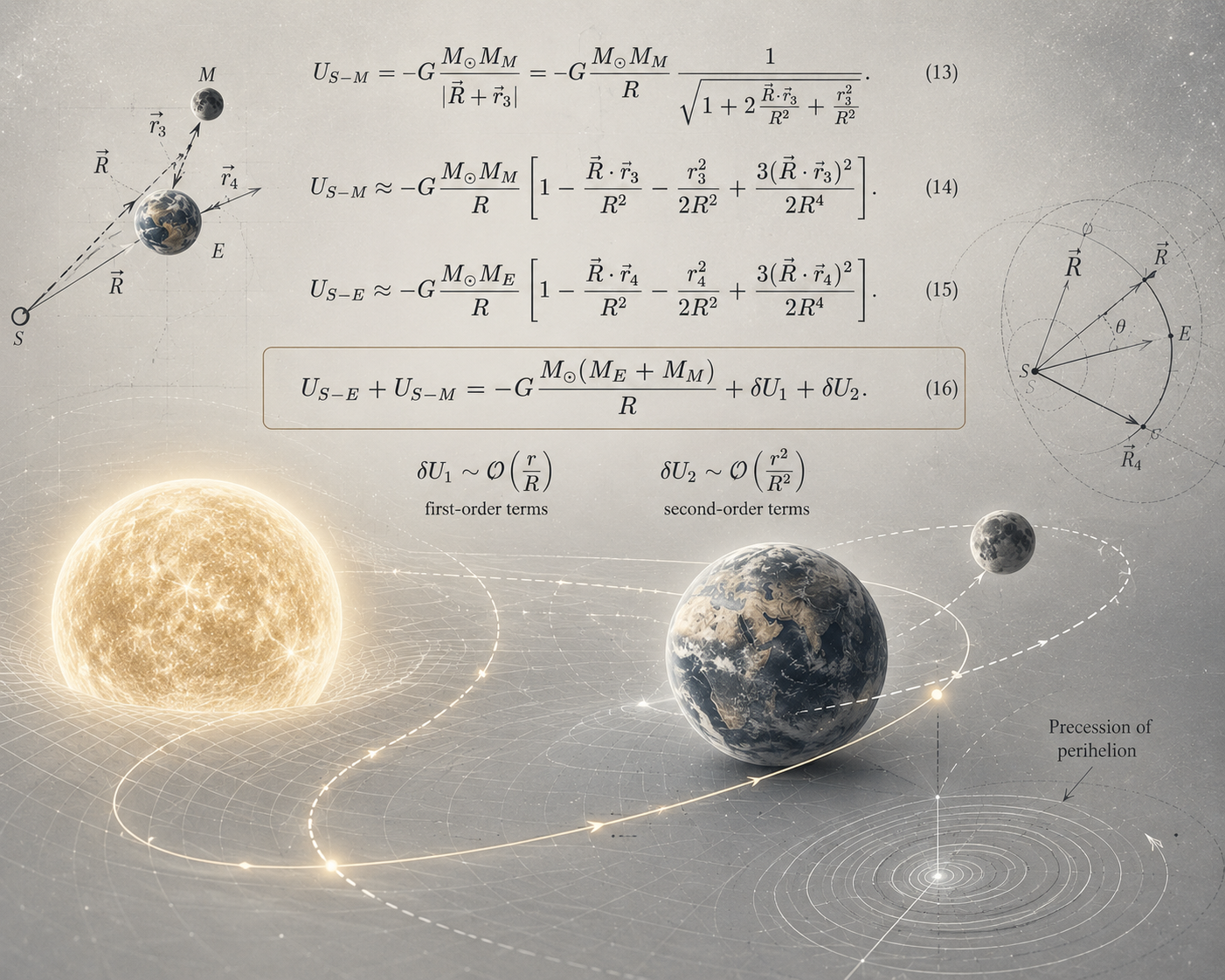
This article examines how the Moon slightly alters the Earth’s orbit around the Sun. Starting from Newtonian gravity, the authors treat the Moon’s influence as a small correction to the ideal Earth–Sun Kepler problem, in which Earth’s orbit would be a perfect ellipse. This correction leads to a gradual precession of Earth’s perihelion, estimated to be about 7.9 arcseconds per century. The article places this effect in the broader context of orbital perturbations, including planetary interactions and relativistic corrections.

The challenge is to compare the sentence pairs carefully, identify how meaning is expressed, and use logic to infer the hidden structure. A successful solution must fit not just one or two observed patterns, but the full grammatical system suggested by the examples. As in real linguistic analysis, the goal is to move beyond quick guesses and build the most consistent explanation of how the sentences are formed.
★ A solution for the previous puzzle is posted at the end of this article. Check it out!